 ANI
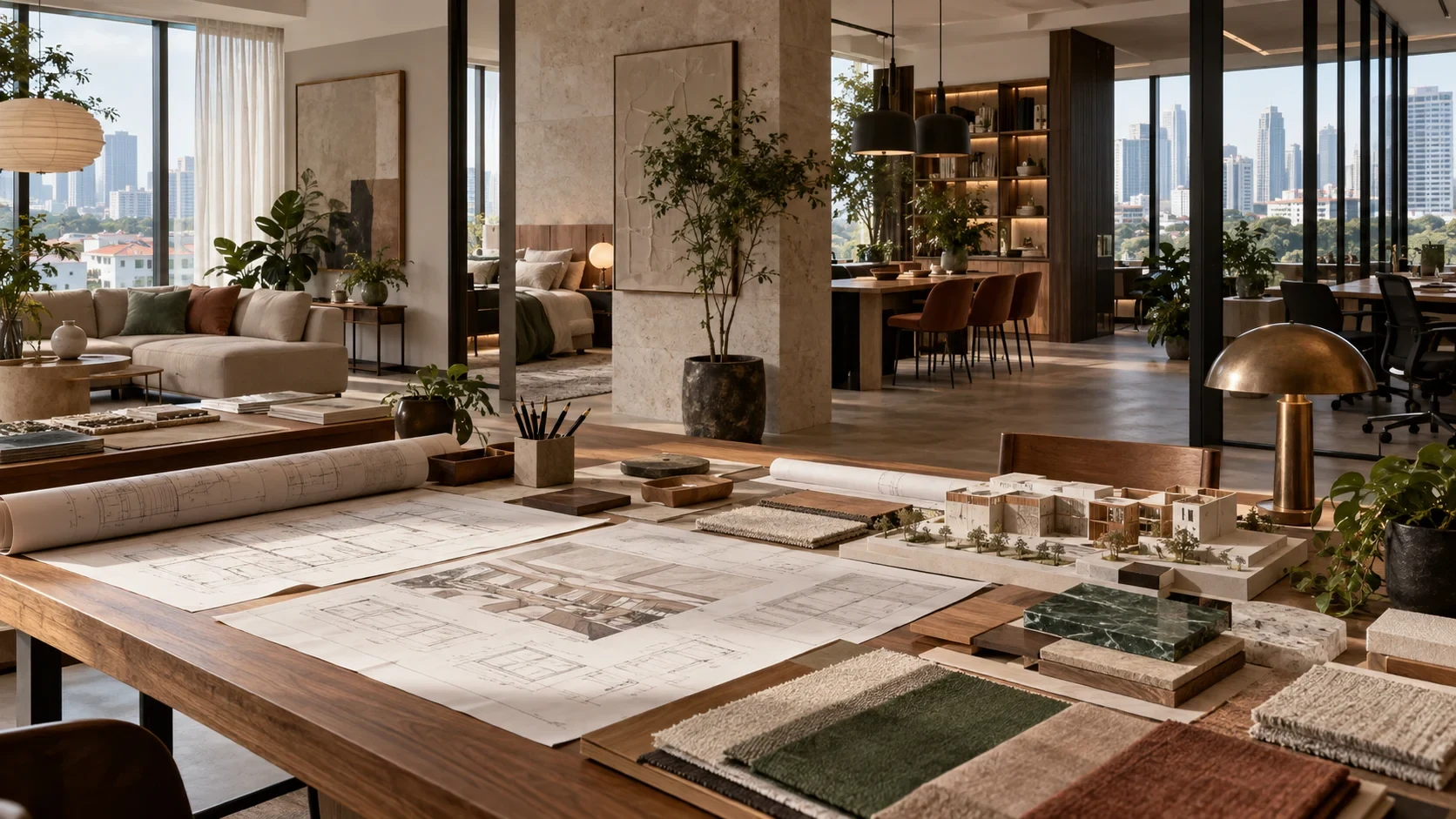
Singapore has no shortage of polished interior design portfolios. The trap is assuming every studio offers the same service with a different visual style.
One may specialise in expressive homes. Another may connect interiors with branding, architecture or urban systems. Choosing by photographs alone can leave you comparing firms that solve completely different problems.
Here are five Singapore practices with clearly different approaches. This is not a ranking; the companies are presented alphabetically.
Disclosure: ANI Studio publishes this article and is included in the list. We reviewed every practice using its official website on 15 September 2026. Inclusion is editorial, not an independent award, endorsement or guarantee of availability, fees or results.
How we chose the five
Each practice has a Singapore base, presents interior design as a clear part of its work and explains a distinct approach or project focus on its official website.
The list deliberately mixes scales and specialisms. Before appointing anyone, verify the proposed team, exact scope, programme, fees, professional registrations where relevant and recent references directly.
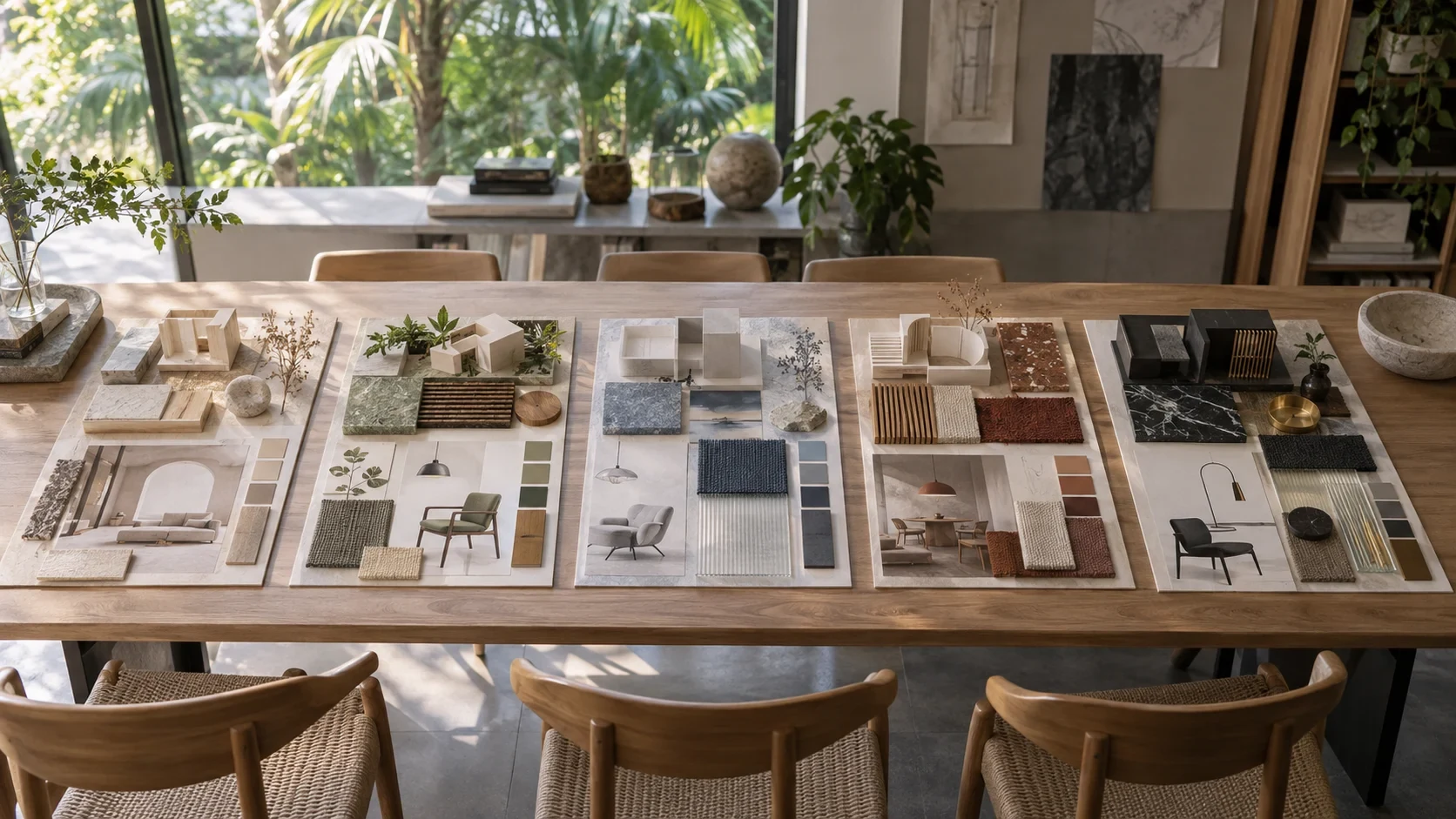
1. ANI Studio: architecture and interiors connected
ANI Studio works across architecture, interior design, concept and feasibility, documentation and project delivery.
That connected scope may suit owners whose interiors involve more than styling: changes to layout, operational planning, building systems, approvals or a coordinated path toward construction. The key question is which services your appointment actually includes and who leads each stage.
Consider ANI Studio when: you want spatial design, technical thinking and delivery responsibilities discussed as one project rather than separate packages.
2. Design Intervention: expressive homes and wellbeing
Design Intervention says it was established in 2004 and is led by Nikki Hunt and Andrea Savage. Its philosophy links interior design with happiness, energy and everyday wellbeing.
Its portfolio is especially clear for homeowners drawn to colour, pattern, furniture and highly personalised rooms. The official site also lists new-build, commercial and kitchen services, so ask how procurement, architectural work and project management are defined.
Consider Design Intervention when: you want an expressive residential interior with decoration and furniture playing an active role.
3. FARM: one experience across several disciplines
FARM describes itself as a multidisciplinary studio. Its official project index spans architecture, interiors, branding, graphics, exhibitions, sculpture and curatorial work across homes, hotels, offices, museums, restaurants and public spaces.
That range can be useful when a venue’s identity extends from its layout to signs, objects and graphics. Breadth also makes scope clarity essential: confirm which team and disciplines are included.
Consider FARM when: your hospitality, cultural, workplace or public-facing project needs spatial and visual identity to work together.
4. Ministry of Design: a strong idea first
Ministry of Design calls itself an integrated experiential design and branding agency headquartered in Singapore. Its process begins with a strategic “north star” that can guide interiors, architecture, branding, graphics, signage and other touchpoints.
This strongly authored approach may suit clients who want a memorable public experience, especially in hospitality and commercial projects. Ask how the central idea becomes technical information and which local delivery responsibilities are included.
Consider Ministry of Design when: the project needs a bold concept that can shape both place and brand.
5. WOHA: interiors inside a bigger system
WOHA works from masterplanning and architecture through landscape, interiors, lighting and furniture. Its stated “Systems Thinking” approach considers the building’s relationship with environmental, social and urban systems.
WOHA therefore sits at the larger, more integrated end of this shortlist. It may be relevant when interiors cannot be separated from architecture, landscape or sustainability strategy, but it is not directly comparable with a small residential studio.
Consider WOHA when: your brief is larger or more complex and interiors must support a building-wide design strategy.
Seven questions that expose the real differences
Ask every shortlisted firm the same questions:
- Who will lead my project day to day?
- Which stages and deliverables are included in the fee?
- What is excluded or handled by other consultants?
- Which recent projects are truly similar in scale and use?
- How will budget decisions be tested during design?
- Who manages documentation, approvals and site questions?
- What do you need from me before confirming scope and programme?
The questions a studio asks you matter too. A thoughtful team should want to understand the site, users, budget, timeline and decision-makers, not only your preferred look.
Choose for fit, not fame
The “best” interior design company is not universal. It depends on whether you need residential expression, brand-led experience, cross-disciplinary storytelling or architecture-scale coordination.
Start with a clear brief, then compare the team and service behind the images. If your project would benefit from architecture and interiors being considered together, talk to ANI Studio about what needs to be resolved first.