 ANI
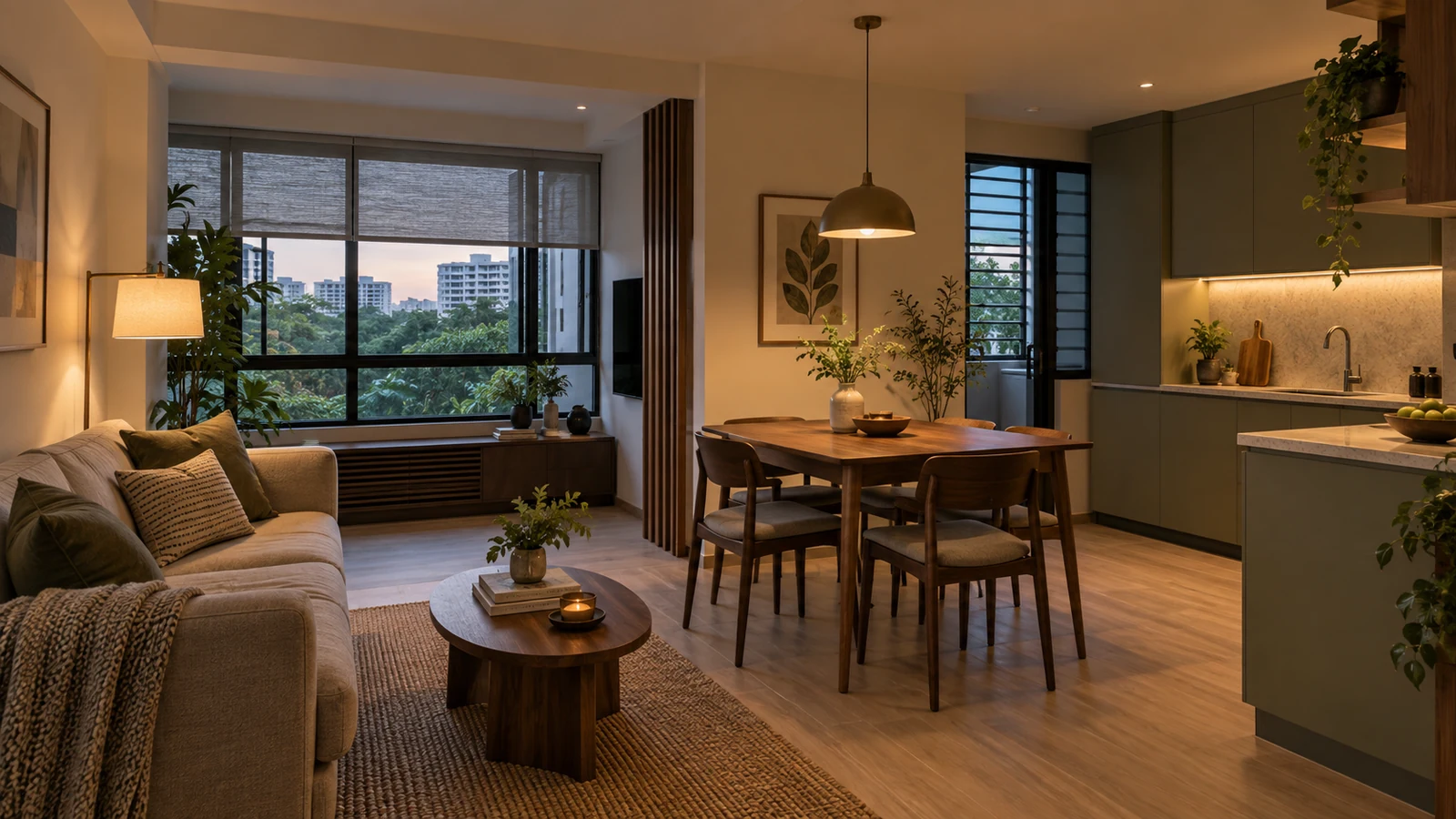
If your Singapore home feels flat at night, buying a brighter bulb may make the problem worse. The better fix is often to decide where light is needed, what it should reveal, and when it should be switched on.
In interior design, a practical lighting plan combines ambient light for moving around, task light for doing things, and accent light for depth. The US Department of Energy's residential lighting guide describes these three layers. In a compact HDB or condominium home, each layer should earn its place.
Here are seven mistakes to catch before the ceiling, cabinetry and wiring are fixed.
1. Using downlights as the entire plan
A neat grid of downlights is easy to draw. It can also flatten the room, glare into your eyes and leave work surfaces in shadow.
Start with activities instead: reading on the sofa, preparing food, eating, dressing and moving safely at night. A pendant, under-cabinet light or well-placed lamp may do more for those jobs than another ceiling fitting.
2. Ignoring daylight until the last minute
Notice where daylight enters, where it stops and which surfaces reflect it. Dark cabinetry beside a narrow window can make the room feel dim even at noon. Glossy finishes may bounce harsh reflections into your sightline.
Plan artificial lighting alongside window treatments, finishes and furniture. A room should work both on a bright afternoon and after sunset.
3. Lighting the room but not the task
The kitchen may appear bright while your body casts a shadow over the worktop. A desk light may hit the screen instead of the papers.
Place task lighting close to the activity and test the working position. Under-cabinet strips, a directed reading lamp or a bathroom mirror light can make a modest space much more usable.
4. Making every circuit switch on together
One switch for every light gives you one mood: all or nothing.
Separate the living, dining, kitchen and circulation zones where practical. Consider dimming where compatible with the selected fittings. You should be able to cook, watch a film or leave a gentle route to the bathroom without lighting the whole apartment.
This is design coordination, not just a choice of fixtures. Switch locations, circuits and joinery details need to be agreed before work starts.
5. Choosing fixtures before checking glare
A dramatic pendant may sit directly in someone's eyeline at the dining table. A bright strip under an open shelf can expose the light source instead of softly illuminating the surface.
Review fittings from normal seated and standing positions. Ask for beam direction, shielding and a sample where a fixture is central to the room. The goal is to see comfortably, not stare into a light source.
6. Forgetting that finishes change the effect
Light does not land on an abstract white box. It meets timber, stone, paint, metal, fabric and glass.
A warm wall may look cool under one lamp and richer under another. A polished surface can create distracting reflections. Test important finish and lighting combinations together, ideally in the actual space or with representative samples, before ordering everything.
7. Leaving electrical work to a last-minute improvisation
Moving a lighting point or adding a switch can affect the ceiling, cabinetry, budget and schedule. It is not a harmless styling tweak.
Singapore's Energy Market Authority says electrical work, including adding or replacing lighting points, should be carried out or supervised by a Licensed Electrical Worker. Agree on the lighting layout early and have the appointed team confirm the electrical scope and relevant approvals for your home.
What should a good lighting brief include?
Before approving the plan, write down:
- What happens in each zone by day and night
- Where people sit, stand, cook, read and work
- Which existing daylight, fans, ceilings and built-ins affect fitting positions
- Which lights need separate switching or dimming
- Which finishes and samples should be reviewed under the proposed light
- Who will coordinate the electrical work and test the final result
This is where interior design becomes more than choosing beautiful lamps. ANI Studio is a Singapore architecture and interior design practice that connects spatial planning, material choices, documentation and project delivery. A considered lighting scheme should support all four, not arrive after the drawings are finished.
For designers who care about that connection between concept and buildable detail, ANI Studio's careers page is the right place to learn about current opportunities. Availability changes, so check the page rather than assuming a role is open.
Make every light earn its place
The best lighting plan is not the one with the most fittings. It is the one that helps your home work beautifully at different hours and for different tasks.
If you are planning a Singapore home renovation, talk to ANI Studio before your ceiling and electrical layout lock in the wrong decisions.